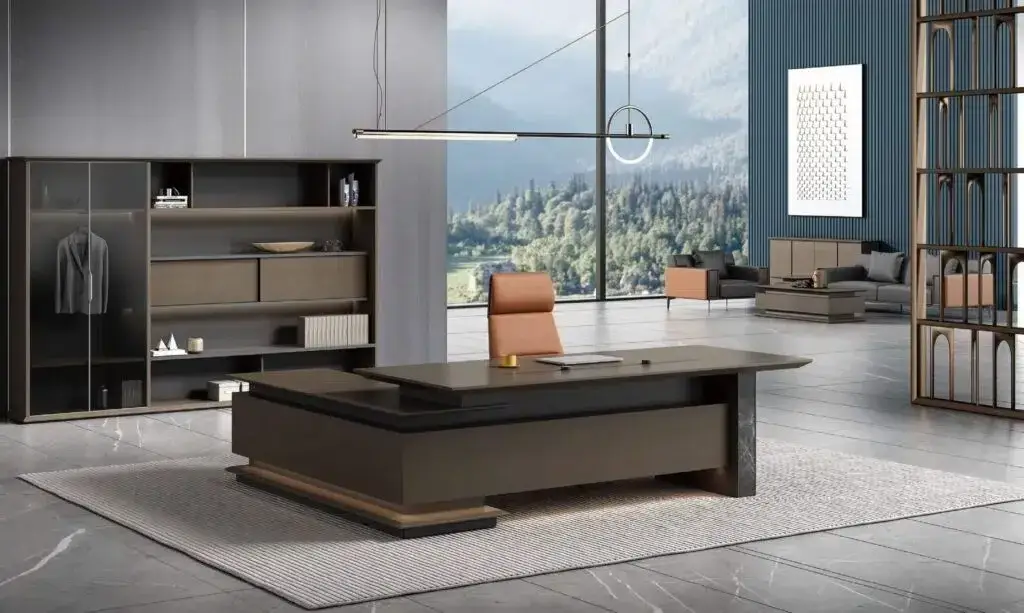
Every room starts as an empty shell before furniture gives it purpose. Furniture falls into a handful of functional groups: seating, tables and work surfaces, storage pieces, and beds. Almost every chair, table, or cabinet in a home, office, or restaurant belongs to one of those groups. This guide walks through the main types of furniture room by room, then covers the styles, materials, and buying decisions that follow.
Main Categories of Furniture
Furniture sorts into four main functional categories: seating, tables and work surfaces, storage, and beds. Each category meets a different daily need, and most rooms use all four.
| Category | What it includes | Where it is used |
| Seating | Sofas, armchairs, recliners, dining chairs, benches, stools, ottomans | Living rooms, dining rooms, offices, restaurants |
| Tables and work surfaces | Dining tables, coffee tables, end tables, desks, conference tables | Every room, as well as meeting and dining spaces |
| Storage and casegoods | Dressers, wardrobes, bookcases, cabinets, buffets | Bedrooms, living rooms, dining rooms, offices |
| Beds and sleep furniture | Bed frames, nightstands, wall beds | Bedrooms, guest rooms, hotels |
Seating Furniture Types: Sofas, Chairs, and Benches
Seating is the largest furniture category and includes any piece built to support a seated person. Sofas anchor most living rooms. Sectionals can be configured into corners for large families, sleeper sofas can be used as a guest bed, and loveseats are ideal for small spaces.
Chairs split by purpose. Armchairs and accent chairs provide single-seat comfort in living spaces. Recliners use a mechanism to lean back for lounging. Dining chairs and side chairs pair with a table, while barstools and counter stools serve elevated counters.
Benches seat two or more people on a single base and appear at entryways, dining tables, and footboards. Stools are backless seats for counters and vanities. Ottomans are the smallest in the group, padded pieces with no arms or back that serve as a footrest, extra seat, or small table.
Tables and Work Surfaces
Tables provide flat surfaces for dining, working, and display, supported by legs, pedestals, or trestles. The dining table is the centerpiece of its room, sized for the household plus guests. Coffee tables sit low in front of a sofa, and end tables or side tables flank seating within arm’s reach.
Console tables run narrow along a wall or behind a sofa, which makes them an entryway staple. Desks carry drawers and a work surface for writing or computing, from compact writing desks to L-shaped executive models. Conference tables seat a team in meeting rooms, and pub tables pair with tall stools in bars and casual dining spaces.
Storage Furniture and Casegoods
Storage furniture holds belongings behind drawers, doors, or open shelves. The trade calls the non-upholstered side of this category “case goods”, a term that covers dressers, cabinets, and similar pieces built for organization.
Beds and Bedroom Furniture
Bedroom furniture supports sleep and the routines that surround it. The bed frame sets the room’s footprint: platform frames support a mattress without a box spring, canopy frames add overhead posts, and storage frames build drawers into the base.
Wall beds, also called Murphy beds, fold into a wall or cabinet to free up floor space, and people use the two terms interchangeably today.
Office Furniture Types for Home and Business
Office furniture includes work surfaces, task seating, and storage for paperwork and equipment. Desks range from compact writing desks to L-shaped and U-shaped executive models, with standing desks that adjust height for better posture.
Task chairs support daily computer work; executive and conference chairs offer more padding and higher backs. Most modern commercial furniture lines now sell these pieces as one coordinated system instead of separate desk and seating purchases.
Related reading: What Is Modern Office Furniture and Types
Restaurant, Hospitality, and Event Furniture
Commercial settings use the same basic shapes as residential furniture but build them to a higher standard. Commercial-grade furniture is built to withstand constant daily use in high-traffic environments, changing the materials, joinery, and finish behind familiar silhouettes.
FOH’s restaurant furniture line covers durable dining tables and tabletops, metal or wood dining chairs, barstools, booths, and banquettes built for back-to-back service. Cafés extend the same set outdoors with weather-resistant patio seating.
Hotels furnish guest rooms with beds, nightstands, desks, and casegoods, plus lobby and meeting furniture. Event venues lean on folding tables and chairs, chiavari seating, and portable staging pieces that store flat and set up fast. Buyers in these categories weigh frame material, joinery, and finish durability before style.
Outdoor Furniture Types
Outdoor furniture trades upholstery and delicate finishes for weather-resistant materials. Dining sets for patios, lounge and sectional seating for decks, Adirondack chairs for porches, and picnic tables for parks and grounds make up the core of the category. Hotels and restaurants furnish patios and pool decks from the same commercial hospitality furniture lines used indoors.
Teak, powder-coated aluminum, and all-weather wicker lead the material list because they handle sun and rain without rapid breakdown. Cushions use outdoor-rated fabrics designed to dry quickly and resist fading.
Furniture Styles vs. Furniture Types
A furniture type describes what a piece does; a furniture style describes how it looks. A sofa is a type. That sofa can be traditional, mid-century modern, or industrial. Confusing the two labels is the most common mix-up in furniture shopping, so it’s worth stating the distinction plainly before the style list below.
Traditional and Formal Styles
Traditional styles borrow proportions, carvings, and silhouettes from historical European and American periods. Queen Anne pieces carry curved cabriole legs, Chippendale designs add ball-and-claw feet and ornament, and Victorian furniture brings dark woods and heavy upholstery. Formal style describes the dressed-up end of this family: balanced outlines, carved detail, and richer materials.
Mid-Century Modern, Modern, and Contemporary
Mid-century modern furniture dates to the mid-1900s and favors tapered legs, clean lines, and warm woods. Modern style refers to that same early-to-mid-20th-century design language of simple frames and little ornament. Contemporary furniture tracks what looks current right now, so its details shift as trends move, with softer curves and mixed materials common today.
Rustic, Farmhouse, and Country Styles
Rustic and farmhouse styles celebrate natural wood grain, simple construction, and a lived-in finish. Farmhouse pieces stay clean-lined and practical; country and French country versions add softer colors and light ornament. These styles suit kitchens, dining rooms, and family spaces where warmth matters more than polish.
Industrial, Scandinavian, and Minimalist
Industrial furniture pairs raw metal with rough or reclaimed wood for a warehouse-inspired look. Scandinavian design strips decoration in favor of function, light woods, and bright rooms. Minimalism carries that restraint further, keeping only the pieces a room genuinely uses.
How to Choose the Right Type of Furniture for Your Space
The right furniture types depend on a room’s function, traffic level, and measurements. Weigh durability claims against recognized benchmarks such as the BIFMA standards for structural strength, then work through the list below before buying:
- Measure the room, plus doorways and hallways, so pieces arrive and fit.
- Start with a function: list what happens in the room each day.
- Assign one piece to each function: somewhere to sit, eat, work, or sleep.
- Match material to traffic; high-use spaces need durable frames and easy-clean surfaces.
- Add accent pieces only after the basics fit, so the budget goes to the pieces that work hardest.
Need Help Furnishing Your Space? Contact FOH Furniture
The right mix of pieces depends on the space, the traffic it sees, and the budget behind it. FOH Furniture manufactures and supplies commercial-grade furniture for offices, restaurants, hospitality venues, and events from its North Dallas facility, with in-stock items dispatched within 24 hours.
Contact us for a quote, or browse the office and restaurant collections to compare options.
Frequently Asked Questions About Furniture Types
What is the difference between furniture types and furniture styles?
A type describes a function: sofa, desk, dresser. A style describes appearance: mid-century modern, traditional, or industrial. One sofa can borrow from several styles, but it is always a seating piece.
Which furniture materials are the most durable for high-traffic spaces?
Solid wood, metal frames, and performance upholstery hold up best under constant use. Laminate and veneer tops resist daily wear, while thinner particleboard cores are more prone to sagging under heavy loads.
How do I know which furniture pieces a room needs?
Start with the room’s main activity, then assign one piece per function: a place to sit, eat, work, or sleep, plus storage. Add accent pieces only after the basics fit.